


What is Trademark?
Your brand. Your identity. A trademark protects your business from imitation.
Definition of Trademark
A trademark is a unique sign, logo, word, phrase, or design that identifies and distinguishes the products or services of one business from those of others.
For example, the Nike “✔️” logo or McDonald’s golden “M” are both trademarks that help consumers instantly recognize the brand.
Purpose of a Trademark
- To uniquely identify your brand in the market
- To legally protect your brand from misuse or duplication
- To create brand value and trust among consumers
- To prevent others from copying your logo, name, or slogan
How to Register a Trademark in India?
In India, trademarks are registered through the Trademark Registry. The process can be completed online via the official IP India website. After filing the application, a trademark number is issued. If no objections are raised, the trademark gets registered and a certificate is issued.
Types of Trademarks
- Word Mark: Brand names like "Amazon", "Tata"
- Logo Mark: Visual symbols or designs
- Slogan: Taglines like “Just Do It”
- Shape Mark: Unique shapes or packaging
- Color Mark: Specific colors associated with a brand
Benefits of Trademark Registration
- Provides legal protection for your brand
- Creates brand recognition and loyalty
- Builds trust with customers
- Prevents unauthorized use by competitors
- Helps in expanding your business globally
Trademark examples
Almost anything can be a trademark if it indicates the source of your goods and services. It could be a word, slogan, design, or combination of these. It could even be a sound, a scent, or a color.
Some registered trademarks you may recognize include:
 for "automobiles."
 for "hot pizza pies."
Trademark formats
You can apply to register your trademark in standard character format or special form format. The format you choose will affect the scope of protection for your trademark registration. For example, The Coca-Cola Company has registered its Coca-Cola trademark in both formats.
Coca-Cola
Here the trademark is registered in standard character format. This format provides the broadest protection because it protects the words themselves and is not limited to a particular font style, size, or color.

Here the trademark is registered in special form format, where the stylized lettering is a significant part of what’s protected.

Coca-Cola also registered this trademark in special form format. It includes both the stylized wording and wavy lines underneath.
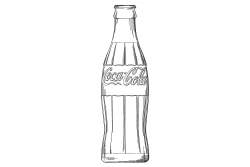
This registered trademark in special form format shows the same stylized wording, but it appears on their distinctively shaped contour bottle. The design of the bottle is part of what’s protected.
Because color wasn’t claimed as a feature of any of the above trademarks, Coca-Cola can use their trademarks in any color.
Standard character format
Most trademarks are registered in standard character format. This format protects words, letters, numbers, or a combination of those without any limitation to a specific font style, size, color, or design. Basically, you’re getting protection for the words themselves, regardless of how they’re displayed, like with the registered word Coca-Cola.
Some other standard character format examples include:
- Under Armour
- It’s finger lickin’ good!
- Just do it
- America runs on Dunkin’
Special form format
Trademarks registered in special form format protect trademarks that are stylized , have designs or logos, or are in color. Trademark owners typically register in special form format when the stylization and design is an important part of the trademark. With this format, you’re getting protection specifically for the way the trademark looks.

The McDonald’s golden arches design is an example of a registered trademark in special form format.
The company Nike registered this trademark in special form format, combining the stylized word Nike with their swoosh logo.
The format of the trademark you apply to register affects your application filing requirements. Learn more about the two different formats of trademarks and their filing requirements.